Brelo Press
01    Editorial Publication  —  London

Slow Cadence.
Steady Rhythm.

An independent record of how daily habits, meal patterns, and movement routines shape the body's long-term metabolic balance.

Read the Latest
Morning light falling across a wooden desk with an open notebook, a glass of water and a small plant — a quiet domestic workspace

Morning Composition — Field Notes, 2026

02    Featured Reading

From the Archive

60 – 75
% of daily energy from resting metabolism
20 %
thermic effect of whole-food protein
10 kg
added lean mass lifts resting rate by ~100 kcal
more stable metabolic rhythm with consistent eating windows
03

Editorial Position
Brelo Press

The body's metabolic rate is not a fixed number.

Over time, patterns of eating, movement, sleep, and stress weave together into a metabolic signature that is both measurable and, to a significant degree, responsive to change. Research drawn from nutritional science and exercise physiology consistently points to lifestyle as the most accessible lever for long-term metabolic health.

Brelo Press documents this intersection. Each piece is written by practising nutritionists and wellness professionals, reviewed against published research, and edited for clarity before publication. The publication does not advocate for any specific programme or supplement. It records what the evidence suggests, in plain language.

Adaptive thermogenesis, nutrient partitioning, the thermic effect of food, the relationship between muscle mass and metabolism — these are the recurring subjects. They are not new discoveries. What changes is the depth at which everyday readers can now engage with them.

04    Core Topics

What We Cover

Basal Metabolic Rate

The energy the body requires at rest forms the largest share of daily expenditure. Understanding how age, body composition, and nutrition shape this figure is a recurring focus of our editorial work.

Meal Timing and Rhythm

Consistent eating windows appear to support more predictable energy availability. Published studies on meal timing and metabolic rate suggest that regularity matters as much as content in some contexts.

Movement and Lean Tissue

Muscle mass and metabolic rate are linked in well-documented ways. Regular resistance and aerobic movement contributes to lean tissue retention, which in turn sustains resting energy use over time.

Whole Food Metabolism Support

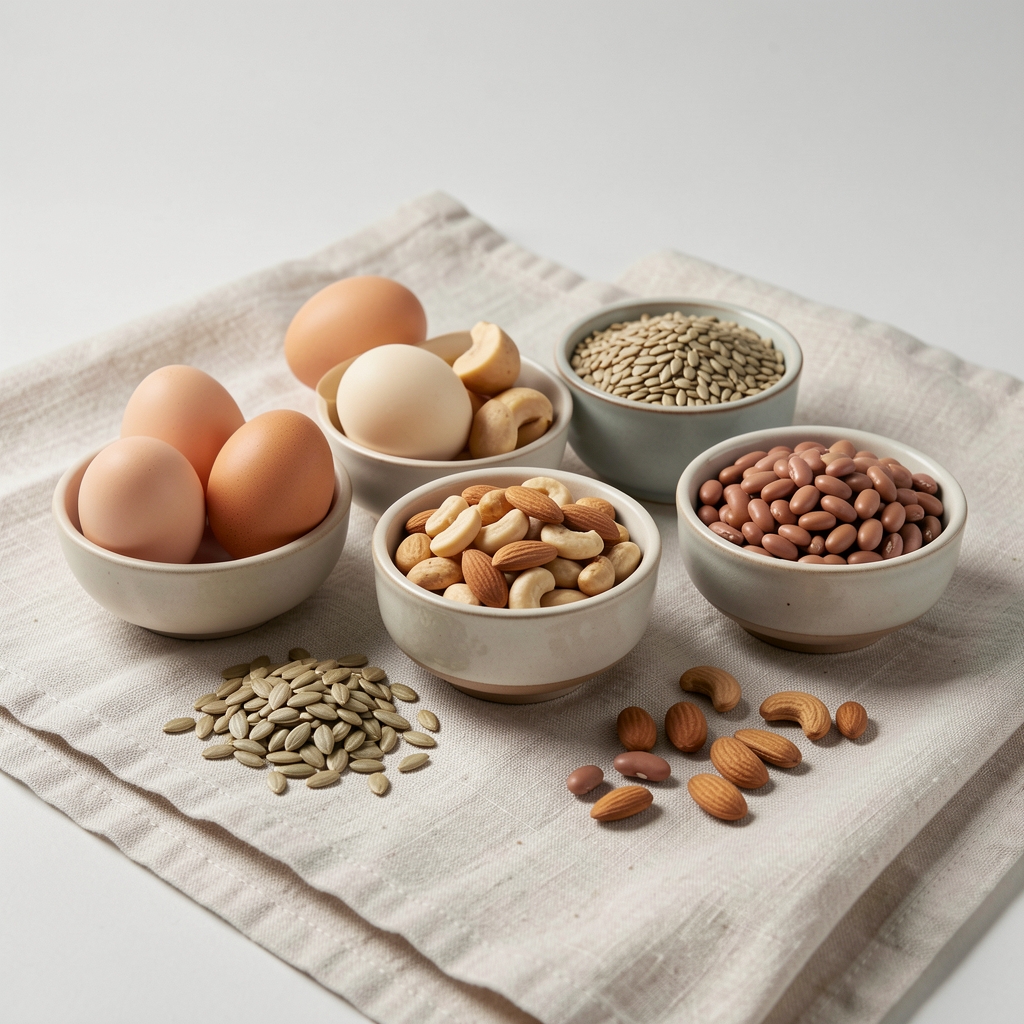
Minimally processed foods present the digestive system with a higher workload per calorie, contributing to the thermic effect of food. Nutrient density and fibre content are examined in this context.

Metabolic Adaptation

The body's capacity to adjust metabolic rate in response to sustained energy restriction is documented across many research settings. Adaptive thermogenesis is a subject this publication returns to regularly.

Metabolic Balance

Long-term metabolic health is less about any single intervention and more about the sustained interaction of several habits. This editorial strand examines consistency, pattern, and gradual change.

05    Editorial Note
“There is a quiet logic to how the body manages energy across a day — a logic that resists the language of quick fixes and rewards reader observation.”
— Eleanor Whitfield, Lead Editor, Brelo Press
06    Frequently Asked

Editorial Questions

Open editorial notebook with handwritten research notes and printed journal excerpts laid out on a light wooden desk under natural window light
07    How We Work

An evidence-informed editorial process.

Every article published in Brelo Press begins with a review of peer-reviewed nutritional research. Writers are required to cite primary sources and disclose any commercial relationships. A second editorial review follows before publication.

Our Methodology